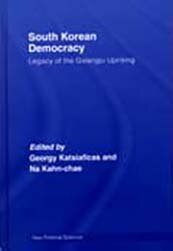
South Korean Democracy: Legacy of the Gwangju Uprising
Edited by Na Kahn-chae and George Katsiaficas
Overview:
In 1980, South Koreans went into the streets to demand democracy. When the military threatened brutal suppression of the popular movement, only in Gwangju did people refuse to submit. After horrific bloodshed, the citizens of Gwangju drove the military out of the city and held their liberated space for a week. In that time, newspapers were published, hundreds of thousands of people congregated in direct democratic assemblies, and the city’s life gave new meaning to democracy. Although crushed by overwhelming military force, Gwangju’s example inspired the eventual overthrow of the military dictatorship and ushered in a new democratic wave in East Asia. This book provides analysis of these events, tracing the birth of South Korean democracy in Gwangju’s stubborn refusal to accept life without freedom.
The authors are all from Gwangju
Photographs and woodblock prints are included—making this a must buy for many libraries
Provides understanding of inner dynamics of the uprising
Links the 1980 uprising to the subsequent victory of democracy years later
Analyzes the role of women in the uprising
This book pieces together fragmentary accounts of the dimensions of the Gwangju Peoples Uprising and presents a clear picture of its origins, life and results.